Call me Swilly.
Taming the
Asset Monster
(Implementing systems teams actually adopt)
Challenge One:
As creative output out-scaled us across growing collaborators + widening distribution channels, assets became difficult to find, reuse, and govern. major Time was being lost to redundant requests, outdated files, inconsistent usage, and broken links. friction ruled for both the creative team + cross-functional partners.
The organization as a whole needed a centralized system that could support scale without dragging our team down.
The game
plan
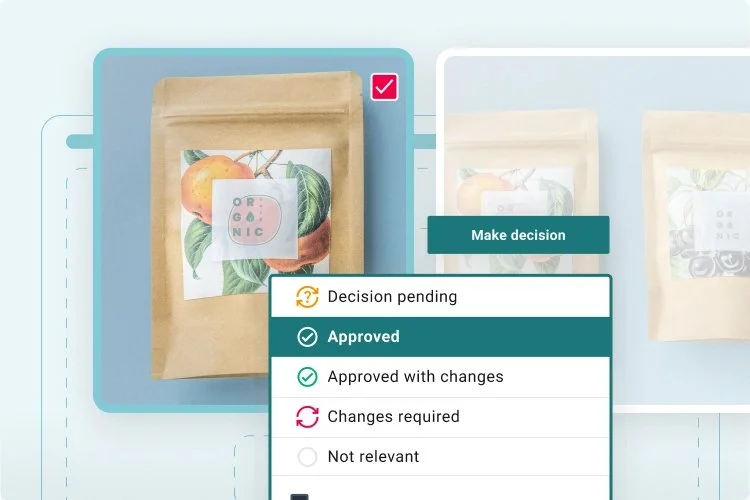
I took on end-to-end ownership + Project Management of the initiative. After deep research and cross-team collaboration, it became clear that a company-wide digital asset management system with integrations and automated workflows was the right move.
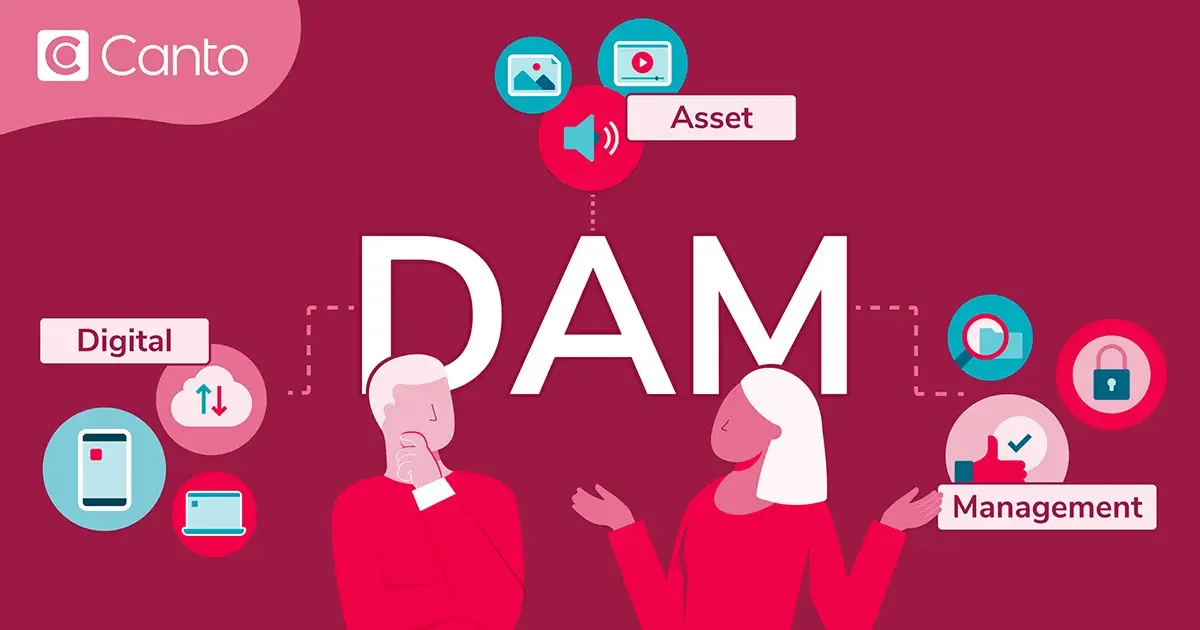
my approach
Rather than treat DAM as a simple tool addition, I approached it as a behavioral + workflow shift, designing adoption into the rollout from day one. I established high and low-level roadmaps to maintain momentum,
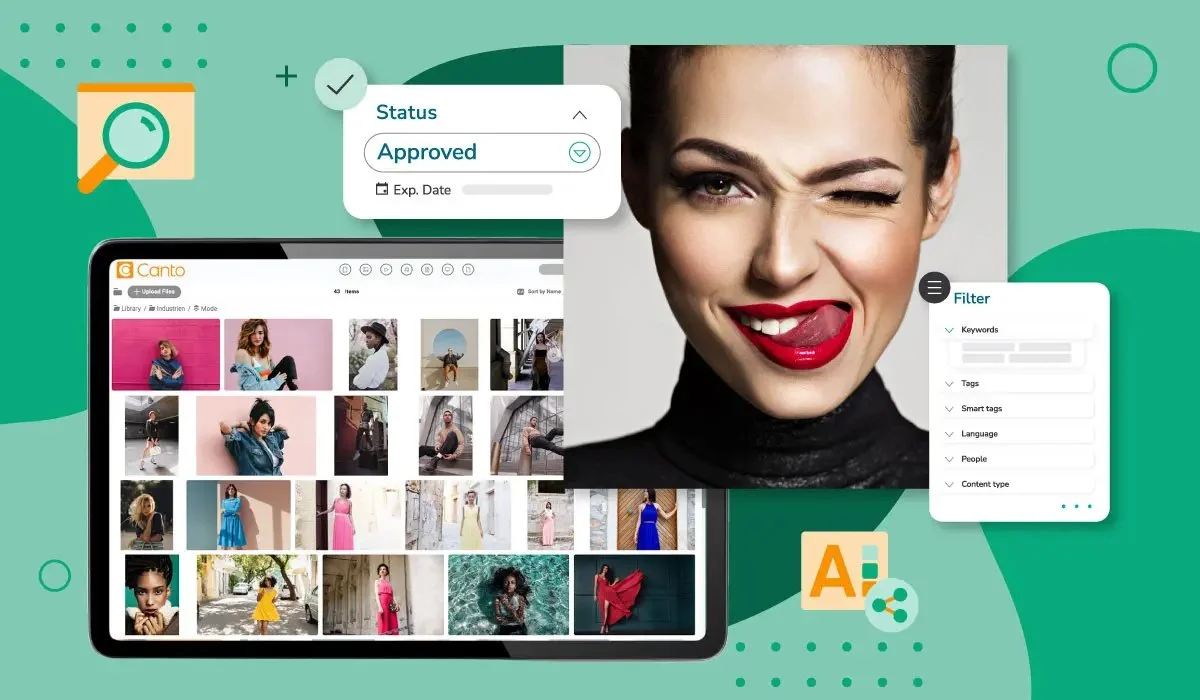
Putting it all in motion
Led research, vendor evaluation + platform selection
Managed implementation strategy + execution with a focused cross-functional team of four
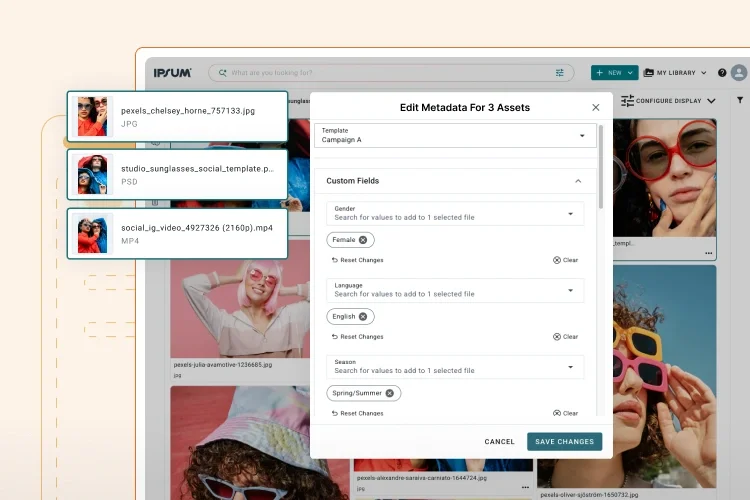
Designed asset structures, metadata standards + governance models to support scalability
Created onboarding materials, training tools + documentation to drive adoption
Provided ongoing education + workflow refinement as needs for each team evolved

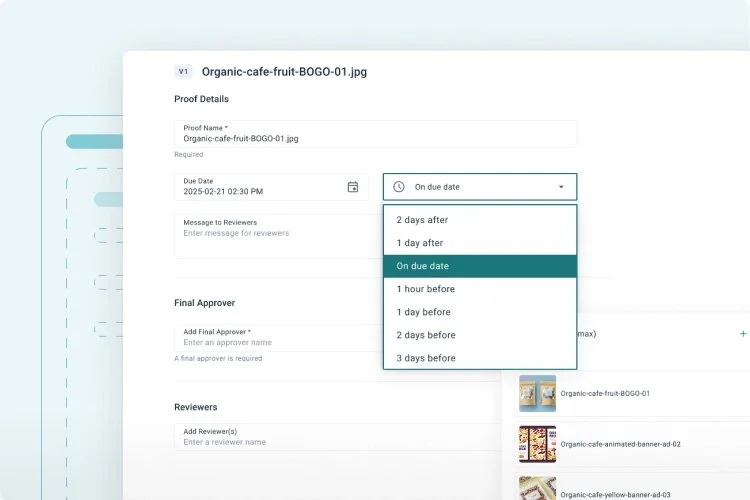
The Payoff:
Achieved full rollout within one business year
for 10TB / 18K assets
+ automated workflows
+ cross-team governance
Achieved and sustained
97% adoption + usage across entire company
drastically Improved
consistency + confidence
in asset accuracy
Established a scalable foundation for future growth + system integrations
yielded a 90% reduction overall
in resource time + production requests from marketing
Challenge Two:
As product volume increased, the demand for high-quality imagery grew to nearly four times the existing output. Traditional photography workflows couldn’t cut it.
At the same time, the creative team was spending an increasing amount of time in repetitive production mode, pulling focus away from higher-value creative work + impacting morale.
The team needed a way to scale production significantly without sacrificing quality, burning out talent, or adding headcount.
The game
plan
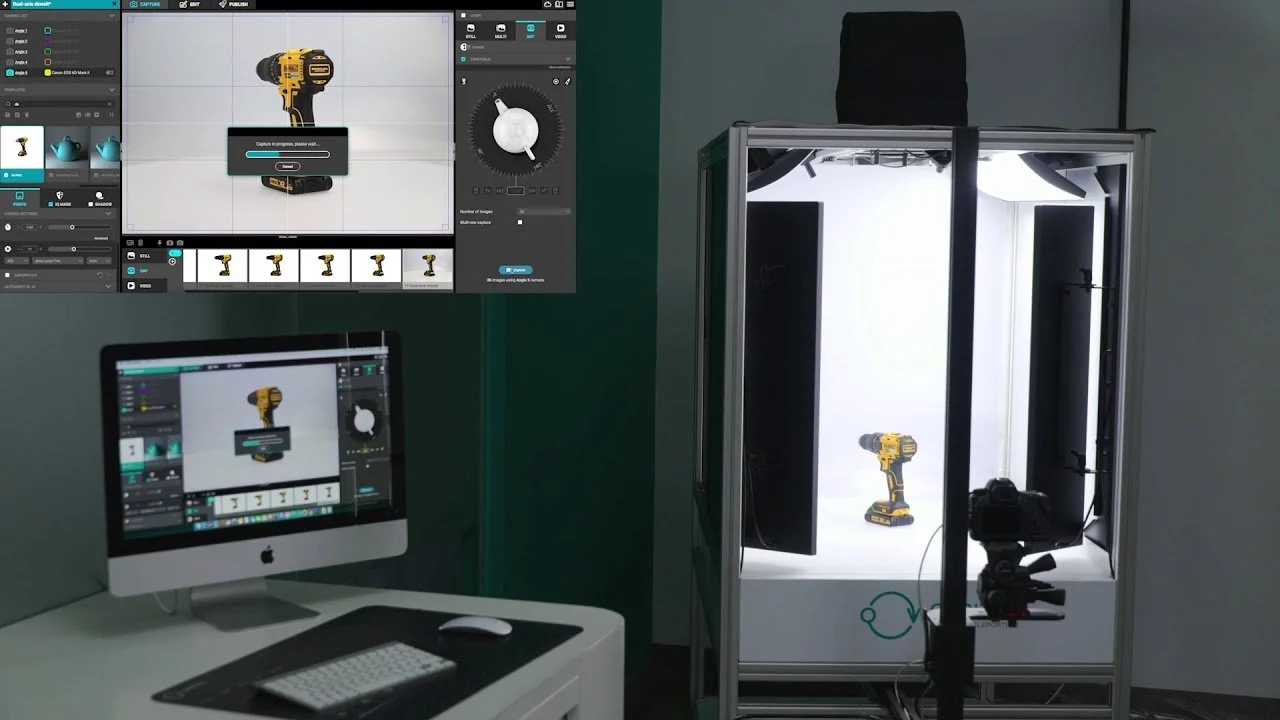
I drove the project, leading strategy + solution evaluation. After research + heavy consultation with my in-house photographer, we settled on robotic photography as the game-changer.
my approach
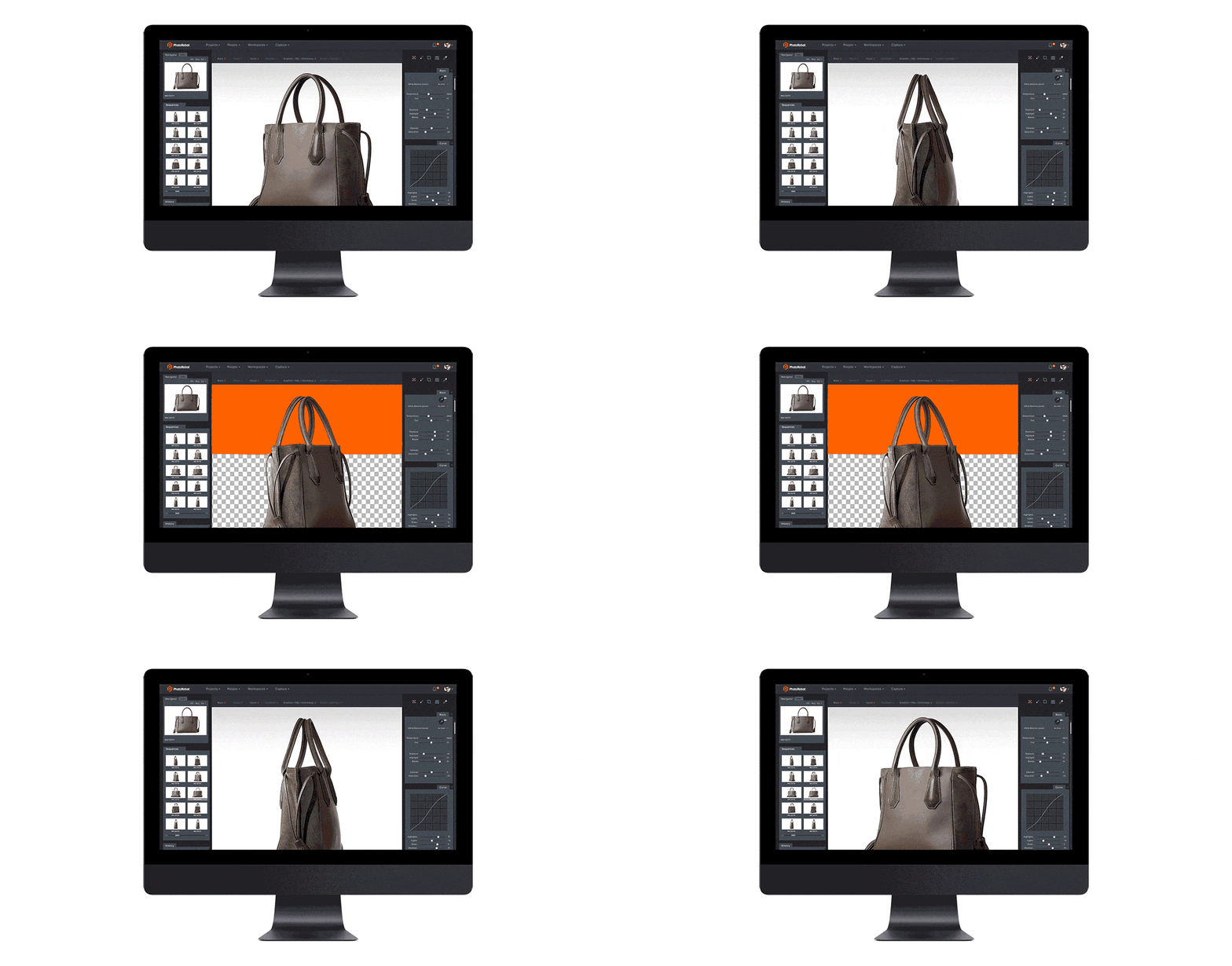
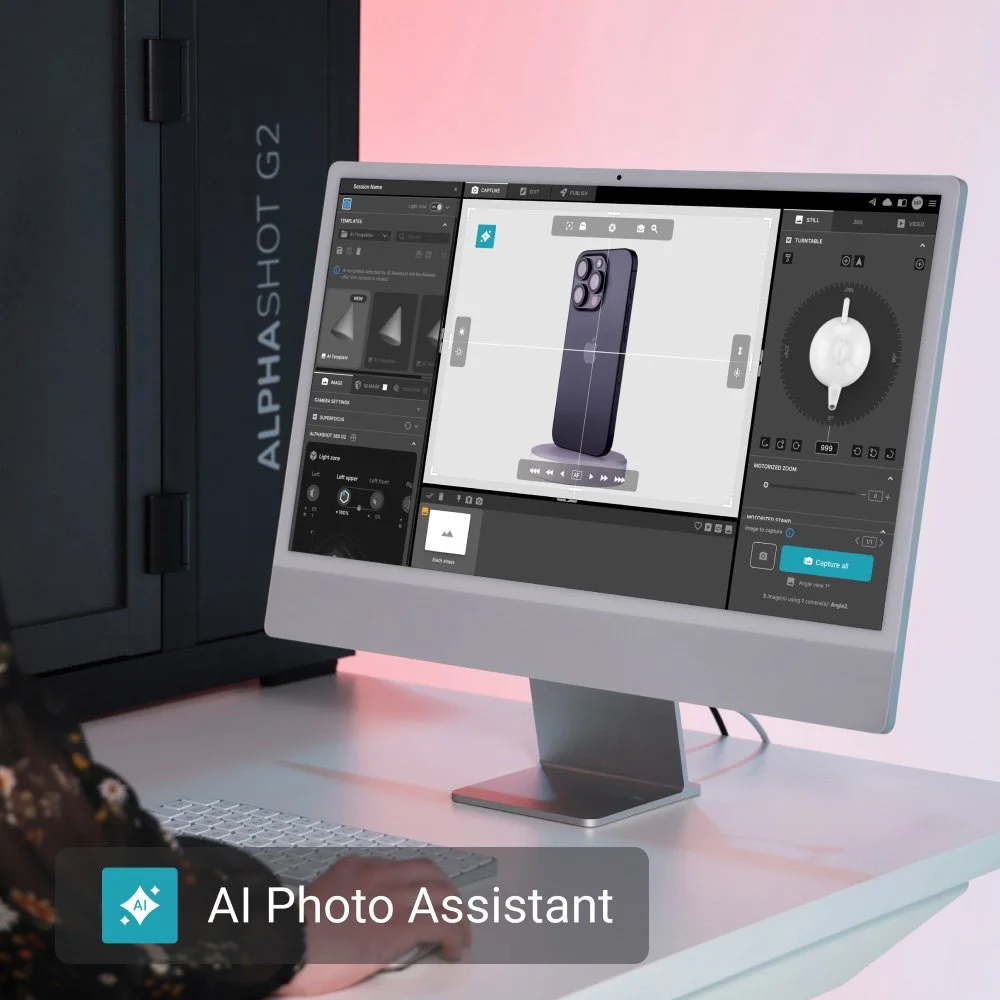
I approached this as a scalable production layer for the collective product teams, with clear ownership + accountability built in to combat workload imbalance. By speeding up the process for producing essential yet standardized sales assets, we could unlock room for experimentation + pushed creative standards forward.
Putting it all in motion
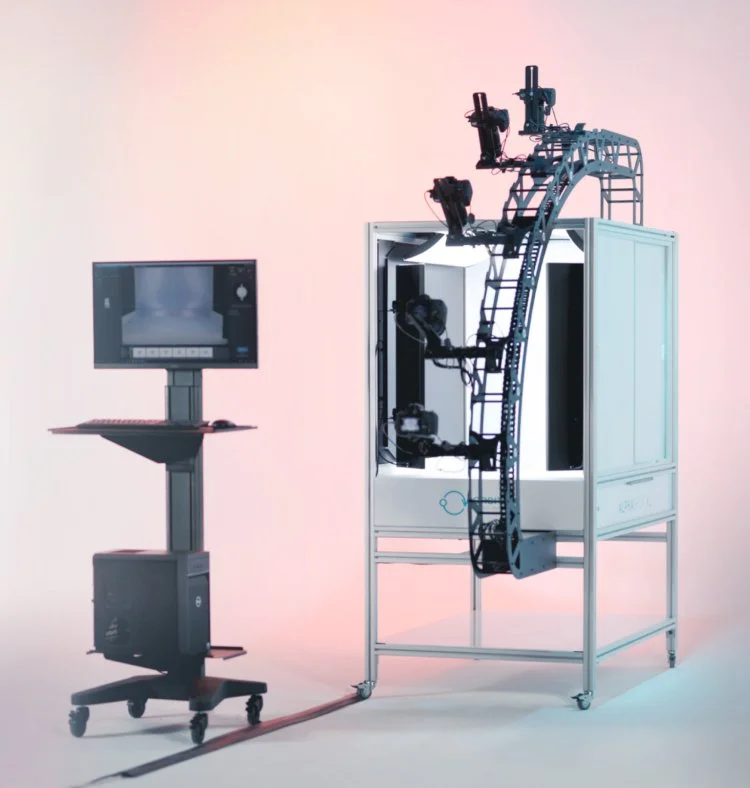
Built the business case + earned leadership buy-in for adopting orbitvu as a scalable production solution
Defined the implementation roadmap + timeline, enabling the photographer to test the system, establish workflows + train power users at a sustainable rate.
drove cross-functional discussions ahead of rollout to address concerns, align teams + co-create new processes to incorporate
Adapted the roadmap + evaluation approach to support ongoing testing, refinement + expansion of use cases
The payoff: